.webp)





Thank Goodness You're Here! Tips and Guides: Mastering Puzzle Timing and Interaction Flow
Introduction
Thank Goodness You're Here! is not a traditional puzzle game. It blends humor, chaos, and unexpected interactions into a unique experience where logic alone is not enough. Many players struggle not because puzzles are difficult, but because they misread timing, interaction flow, and environmental cues.
This guide focuses on one specific aspect: mastering puzzle timing and interaction flow. Instead of general advice, this is a structured progression guide that helps you understand how the game expects you to think, react, and experiment.
By the end of this guide, you will move through puzzles faster, reduce trial-and-error, and fully understand how to "read" the game’s comedic logic.
1. Understanding the Game’s Logic System
Why Traditional Logic Fails
Unlike standard puzzle games, this game often rewards absurd or unexpected actions. Logical thinking must be combined with observation and experimentation.
Key Principles
Expect unusual solutions
Interact with everything
Humor often hints at the solution
Trial-and-error is part of design

2. Observing Environmental Clues
The Importance of Small Details
Many puzzles rely on visual or audio hints. Missing small details often leads to confusion.
What to Look For
NPC reactions
Repeating animations
Sound cues
Highlighted objects

3. Mastering Interaction Timing
Why Timing Matters
Some interactions only work at specific moments. Acting too early or too late can fail the puzzle.
Timing Tips
Wait for animation loops
Observe NPC patterns
React during peak moments
Avoid spamming actions
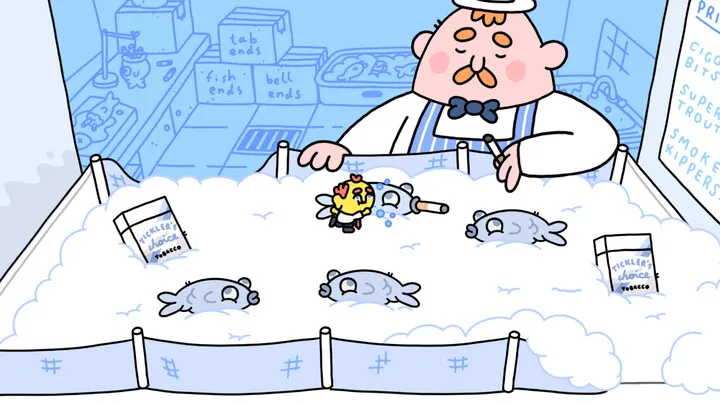
4. Understanding NPC Behavior
NPCs as Puzzle Elements
Characters are not just decoration—they are often part of the solution.
Behavior Patterns
Repetitive actions
Trigger-based responses
Movement cycles
Dialogue hints
5. Experimenting Without Fear
Trial-and-Error Is Intended
The game encourages experimentation. Failure is part of the process.
Smart Experimentation
Try unusual actions
Combine interactions
Repeat actions in different timing
Observe changes
6. Managing Puzzle Flow
Avoid Getting Stuck
Players often get stuck by focusing on one idea too long.
Flow Tips
Move to another area
Reset interactions
Reobserve environment
Change approach
7. Recognizing Pattern-Based Puzzles
Identifying Repetition
Some puzzles rely on repeating sequences.
Pattern Tips
Watch cycles carefully
Time actions with rhythm
Repeat successful steps
Adjust timing slightly
8. Using Sound as a Guide
Audio Matters
Sound often signals correct timing or progress.
Audio Clues
Change in tone
Repeated sounds
Character reactions
Environmental noise
9. Staying Patient and Observant
Avoid Rushing
Rushing leads to missed clues and mistakes.
Patience Strategies
Slow down interactions
Observe before acting
Watch full sequences
Think before repeating
10. Developing a Puzzle Mindset
Thinking Like the Game
Success comes from adapting to the game’s logic.
Mindset Tips
Expect humor-based solutions
Stay flexible
Learn from failure
Enjoy experimentation
Conclusion
Mastering puzzle timing and interaction flow in Thank Goodness You're Here! transforms the experience from confusing to enjoyable. By observing carefully, timing interactions correctly, and embracing experimentation, you can solve puzzles more efficiently and appreciate the game’s unique design.