

Introduction
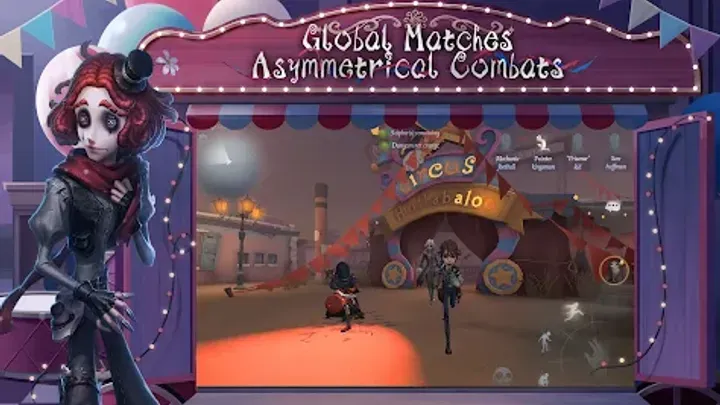
Identity V is no longer just known as a gothic horror survival game. Recent updates, competitive developments, and community growth show a clear transformation: the game is evolving into a full-scale competitive ecosystem within the mobile gaming space.
What once attracted players through atmosphere and aesthetics is now gaining attention for its strategic depth, ranked infrastructure, and high-skill gameplay environment.
This news feature focuses on one major development trend:
Identity V’s shift from casual horror entertainment to structured competitive platform, and why this evolution is now becoming increasingly visible across the player base, esports scene, and community systems.
1. Growing Competitive Presence in the Mobile Esports Scene
Identity V is seeing increased recognition in competitive gaming spaces.
Recent developments include:
- Expansion of ranked communities
- Growth of tournament participation
- Rising visibility of competitive players
- Organized scrim environments
- Community-led competitive events
This indicates a shift from casual play to structured competition.
 2. Meta Evolution Is Reshaping Gameplay Dynamics
Balance updates and character adjustments are actively reshaping how the game is played.
Current trends show:
- Changing survivor compositions
- Shifting hunter priorities
- New meta strategies
- Role specialization growth
- Tactical adaptation patterns
The meta is no longer static — it is evolving season by season.
3. Ranked Mode Is Becoming the Core Game Experience
Ranked play is now the main engagement driver for many players.
Key observations:
- Higher ranked participation
- Skill-tier separation
- Competitive identity formation
- Role-based matchmaking trends
- Long-term progression focus
Ranked is becoming the game’s central structure, not a side mode.
4. Community Skill Level Is Rapidly Increasing
The overall player skill ceiling is rising.
Indicators include:
- Advanced kiting techniques
- Tactical rescue strategies
- Map pressure optimization
- Team coordination improvements
- High-level gameplay analysis
This growth reflects maturation of the player base.
5. Content Updates Are Becoming Strategy-Focused
New content is no longer just cosmetic.
Recent update patterns emphasize:
- Competitive balance
- Role utility changes
- Meta stability
- Strategic diversity
- Gameplay depth
This signals a design shift toward competitive sustainability.
6. Psychological Gameplay Is Becoming a Defining Feature
Identity V’s mind-game systems are gaining recognition.
Player behavior trends show:
- Increased pressure play
- Tunnel prediction strategies
- Mind-game chases
- Psychological baiting
- Risk manipulation tactics
The game is evolving into a mental strategy environment, not just mechanical gameplay.
 7. Hunter and Survivor Roles Are Becoming More Specialized
Role identity is becoming clearer.
Current patterns include:
- Defined rescuer roles
- Dedicated kiters
- Support-focused builds
- Strategic hunter playstyles
- Team composition planning
This role clarity supports competitive structure.
8. Community Infrastructure Is Expanding
The Identity V ecosystem is growing beyond the game client.
Expansion includes:
- Strategy communities
- Competitive discords
- Coaching spaces
- Educational content creation
- Analysis communities
This shows platform-level growth, not just player growth.
9. Industry Positioning Among Asymmetrical Games
Identity V is gaining recognition within the asymmetrical game genre.
Its positioning now reflects:
- Competitive identity
- Strategic gameplay branding
- Esports viability
- Long-term ecosystem planning
- Community-driven growth
It is no longer seen as just a niche horror game.
10. Long-Term Outlook: From Game to Competitive Platform
Current trends suggest a long-term transformation.
Future trajectory indicators:
- Competitive infrastructure development
- Meta ecosystem stability
- Player skill investment
- Community platform growth
- Long-term engagement systems
Identity V is moving toward becoming a competitive gaming platform, not just a mobile game.
Conclusion
Identity V is undergoing a visible evolution. What started as a gothic horror survival experience is now developing into a structured competitive ecosystem supported by ranked systems, evolving metas, and a growing high-skill community.
This transformation is not accidental — it is the result of design direction, community growth, and competitive player investment.
If current trends continue, Identity V will no longer be defined by horror aesthetics alone, but by its strategic depth, competitive identity, and long-term ecosystem strength.
The game is no longer just being played.
It is being built into a platform.