Honkai: Star Rail and the Architecture of Escapism — Why Penacony Became the Game’s Most Philosophically Ambitious World
Introduction
Among all the worlds in Honkai: Star Rail, Penacony stands apart because it is not built around war, survival, or political collapse. Instead, it is built around a far more dangerous concept: comfort. The Penacony arc transformed the game from a stylish space fantasy into a layered meditation on escapism, emotional anesthesia, memory, and the seductive nature of dreams. While Jarilo-VI focused on frozen despair and the Xianzhou Luofu explored immortality and stagnation, Penacony asked a more intimate question: if reality hurts badly enough, do people truly want to wake up?
The brilliance of Penacony lies in how deeply its narrative mechanics reinforce that question. The player is constantly destabilized. Dreams overlap with reality. Characters hide behind theatrical personas. Time fractures. Entire conversations become unreliable. Even the structure of the story behaves like a dream. Instead of presenting a conventional conflict between heroes and villains, Penacony creates a philosophical war between two competing worldviews: painful freedom versus beautiful illusion.
This is why the Penacony storyline became one of the most discussed narrative arcs in the game’s history. Community discussions frequently described it as emotionally powerful yet intentionally disorienting, emphasizing how its fragmented storytelling reflected the instability of dreams themselves.
The Transformation of Penacony from Prison Planet to Dream Paradise
Before Penacony became a cosmic resort filled with jazz aesthetics, luxury hotels, and dream tourism, it was originally a penal colony. The world itself was founded upon confinement, labor, and psychological erosion. Its name even derives from the phrase “penal colony,” revealing that the cheerful imagery presented later was always built on historical violence.
This origin matters because Penacony never truly escaped its past. The glamorous dreamscape merely concealed the trauma beneath it. Thematically, this reflects one of the central ideas of the entire arc: suffering does not disappear simply because it becomes aesthetically pleasing. The Family transformed Penacony into a celebration of eternal happiness, but underneath the music and festivities remained the memory of imprisonment and manipulation.
The Symbolism of the Prison Era
The prison-era lore fundamentally changes how players interpret later events. Prisoners trapped on the planet slowly became connected through dreams, blurring individual consciousness into shared emotional space. What initially seemed like a technological miracle was actually rooted in isolation and psychological collapse.
Penacony therefore becomes a civilization constructed on inherited emotional suppression. The Dreamscape is not merely entertainment technology. It is institutionalized escapism elevated into social philosophy.
Key thematic foundations established early in Penacony’s history
- Dreams replacing reality as emotional refuge
- Collective consciousness overriding individuality
- Pleasure used as a mechanism of control
- Memory becoming economically valuable
- Freedom becoming secondary to comfort
Why the Dreamscape Feels More Frightening Than the Fragmentum
One of Penacony’s greatest narrative achievements is that its primary threat is psychologically attractive. Earlier worlds in the game presented obvious dangers. Fragmentum corruption destroys environments. Stellarons create visible catastrophe. Antimatter Legion invasions represent open violence. Penacony is different because its horror is consensual.
The Dreamscape offers exactly what people desire most: escape from exhaustion, grief, regret, loneliness, and fear. This makes Penacony’s danger more philosophically disturbing than direct destruction. The player cannot simply reject it as evil because the Dreamscape genuinely alleviates suffering. Many characters inside Penacony are not trapped against their will. They actively prefer illusion.
The Stellaron hidden beneath Penacony amplified this temptation by feeding on desire and emotional indulgence. Lore surrounding the world explains that the Dreamscape gradually nourished itself using human longing and psychological dependency.
Escapism as a Moral Gray Zone
Most games portray illusion as inherently false and reality as inherently virtuous. Penacony complicates this binary. Reality inside the Honkai universe is often cruel. Entire civilizations collapse. Aeons manipulate existence. Cosmic disasters erase identities. Under those circumstances, dreaming becomes understandable.
Sunday’s ideology gains power precisely because he identifies a real problem. People suffer endlessly. The question he raises is whether preserving painful reality is ethically superior to constructing peaceful illusion.
The Horror of Comfortable Control
Unlike tyrants who dominate through fear, Penacony governs through emotional gratification. Citizens are pacified through fulfillment rather than oppression. This creates a disturbing inversion of traditional authoritarian structures.
The Family rarely appears openly monstrous because its methods resemble hospitality. The player is welcomed, entertained, praised, and comforted. Yet this warmth conceals the erosion of autonomy.
Sunday as the Embodiment of Benevolent Authoritarianism
Sunday became one of the most compelling antagonists in Honkai: Star Rail because he is not driven by conquest, greed, or sadism. His worldview emerges from compassion distorted into absolutism. He genuinely believes humanity is too fragile to endure unrestricted reality.
This is what separates Sunday from conventional villains. He does not seek domination for personal pleasure. He seeks to eliminate suffering through enforced harmony. The tragedy of his ideology lies in its emotional sincerity.
The Philosophy of Forced Peace
Sunday’s vision reflects a recurring philosophical problem found throughout science fiction: if free will inevitably produces pain, does removing freedom become morally acceptable?
His answer is effectively yes. Through dream manipulation and Order, he attempts to construct a reality where suffering can no longer meaningfully exist. In his ideal society, people are protected from despair by surrendering autonomy.
What makes this ideology effective is that Penacony repeatedly demonstrates how exhausted many people already are. Citizens overwhelmed by grief, poverty, trauma, or emotional emptiness become vulnerable to the promise of permanent comfort.
Sunday’s ideology depends on several assumptions
- Humanity cannot responsibly handle freedom
- Suffering outweighs the value of authenticity
- Order creates safety
- Dreams are morally preferable to despair
- Peace justifies psychological control
Why Players Sympathized with Him
Many players reacted strongly to Sunday because his arguments never feel entirely irrational. The narrative intentionally avoids simplifying his worldview. Instead, it forces the player to confront uncomfortable truths about emotional exhaustion and escapism.
Sunday is terrifying because parts of his ideology feel emotionally persuasive.
Firefly and the Fragility of Temporary Identity
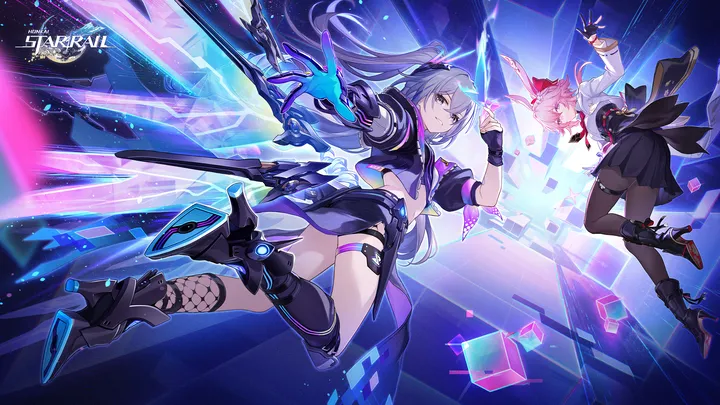
If Sunday represents surrender to idealized illusion, Firefly represents the desperate attempt to preserve fragile humanity inside impossible circumstances. Her role in Penacony is emotionally devastating because her identity constantly shifts between authenticity and performance.
Firefly exists at the intersection of mortality, artificiality, and emotional longing. She desperately wants ordinary experiences despite existing within systems that continuously reduce her to functionality and inevitability.
The Tragedy of Manufactured Humanity
Penacony repeatedly explores whether emotional experiences remain meaningful if they occur inside constructed realities. Firefly intensifies this question because even her physical existence feels partially artificial.
Her scenes with the Trailblazer resonate because they create fleeting moments of sincerity inside a fundamentally deceptive environment. The audience becomes emotionally attached precisely because the story constantly implies those moments may disappear.
This instability mirrors Penacony itself. Nothing remains emotionally secure. Every relationship risks dissolving upon awakening.
Why Firefly Became Central to Penacony’s Emotional Core
Firefly’s popularity emerged from the contrast between vulnerability and inevitability. She behaves like someone trying to preserve emotional warmth in a universe that continuously mechanizes existence.
Her repeated “deaths” throughout the storyline destabilized players emotionally because they reinforced Penacony’s core message: dreams cannot permanently preserve what people fear losing.
Acheron and the Presence of Nihility Inside a World of Dreams
Penacony is obsessed with emotional intoxication, making Acheron’s presence uniquely disruptive. While Penacony encourages immersion, Acheron represents detachment. While Penacony promises emotional fantasy, Acheron carries existential emptiness.
Her role in the narrative is less about exposition and more about thematic disruption. She moves through Penacony like an inevitability the dream cannot fully suppress.
The Contrast Between Harmony and Nihility
Harmony seeks unity, emotional synchronization, and collective peace. Nihility recognizes emptiness, impermanence, and existential collapse. Penacony therefore becomes an ideological battlefield between these cosmic perspectives.
Acheron’s calm demeanor creates tension because she appears resistant to Penacony’s seduction. She neither fully rejects emotion nor becomes consumed by illusion. Instead, she carries awareness of inevitable loss.
This makes her terrifyingly stable inside a fundamentally unstable world.
The Symbolism of Memory and Oblivion
Penacony constantly weaponizes memory through dream reconstruction. Acheron, however, exists closer to oblivion than nostalgia. Her presence suggests that forgetting may be unavoidable regardless of how desperately civilizations attempt to preserve emotional experiences.
This creates one of the arc’s most haunting subtexts: dreams are not eternal preservation. They are temporary resistance against disappearance.
The Watchmaker Legacy and the Idea of Inherited Resistance
The Watchmaker operates throughout Penacony almost like a mythological ghost. Rather than functioning as a traditional character, the Watchmaker becomes symbolic resistance against institutionalized dreaming.
The invitations sent across the galaxy represent more than plot mechanics. They symbolize a final attempt to awaken people before Penacony fully loses itself to artificial harmony.
Why the Watchmaker Matters
The Watchmaker understands that dreams become dangerous when they eliminate the possibility of awakening. This distinction is critical. Penacony is not condemned because dreams exist. It is condemned because dreams become permanent.
The Trailblazer’s journey through Penacony therefore becomes less about defeating a villain and more about restoring the ability to choose reality.
The Watchmaker’s symbolic role
- Preserving free will
- Protecting imperfect reality
- Resisting emotional stagnation
- Exposing hidden systems of control
- Restoring the meaning of awakening
The Legacy as Narrative Structure
Interestingly, Penacony itself behaves like the Watchmaker’s puzzle. The fragmented storytelling forces players to actively reconstruct meaning. Confusion becomes part of the narrative experience rather than a flaw alone.
This design choice explains why reactions to Penacony became intensely divided. Some players viewed the complexity as emotionally immersive, while others considered it excessively convoluted.
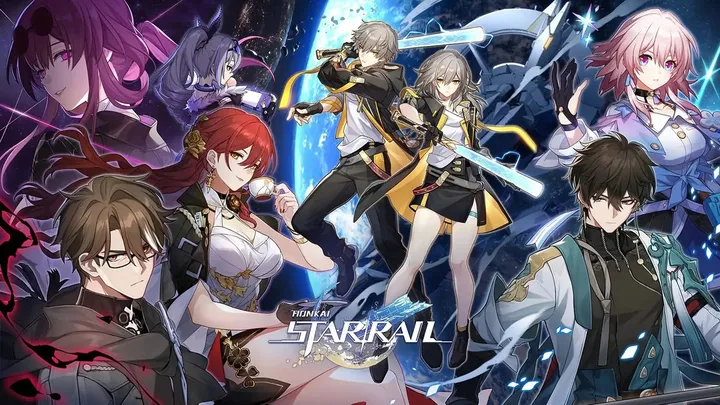
Why Penacony’s Jazz Age Aesthetic Was Crucial to Its Narrative
The visual identity of Penacony is not decorative excess. Its jazz-age imagery directly supports the arc’s themes of glamour masking collapse. The result is one of the most stylistically coherent regions in modern gacha storytelling.
Luxury as Emotional Camouflage
Everything in Penacony feels performative. Hotels resemble theaters. Streets resemble stages. Characters behave like actors. Music softens tension while hiding instability underneath.
This creates a setting where emotional collapse becomes aesthetically beautiful. Players are encouraged to enjoy the environment even while uncovering horrific truths beneath it.
The contradiction is intentional. Penacony seduces both characters and players simultaneously.
The Role of Performance and Masks
Nearly every major Penacony character performs a role:
- Sunday performs benevolent leadership
- Sparkle performs chaos
- Firefly performs normalcy
- Aventurine performs confidence
- Black Swan performs detachment
This theatrical structure reinforces the world’s obsession with unstable identity. Nobody inside Penacony exists without layers.
Aventurine and the Economics of Human Worth
Aventurine’s storyline introduces another major Penacony theme: value. Unlike Sunday, who frames existence through emotional protection, Aventurine understands the universe through transactions, probability, and survival.
His character embodies the psychological consequences of growing up inside systems where human life becomes negotiable.
Luck as a Survival Mechanism
Aventurine’s gambling imagery is not merely stylistic. It reflects how he interprets existence itself. Survival becomes probabilistic rather than moral. This worldview contrasts sharply with Penacony’s promise of guaranteed happiness.
In many ways, Aventurine represents the universe outside Penacony more honestly than The Family does. Reality is unstable, unequal, and dangerous.
This is why his emotional arc resonated strongly with audiences despite comparatively limited screen time.
The IPC and Systemic Exploitation
Penacony repeatedly critiques institutions that monetize emotional vulnerability. The Interastral Peace Corporation originally controlled Penacony as a prison world before losing authority during the Stellaron crisis.
This history reframes Aventurine’s presence. He is not simply an outsider entering Penacony. He represents broader galactic systems built around debt, hierarchy, and calculated human value.
The Narrative Importance of Confusion and Fragmentation
One of the most controversial aspects of Penacony was its intentionally fragmented storytelling. Players frequently reported confusion regarding timelines, dream layers, motivations, and character allegiances.
However, this confusion is deeply connected to the arc’s themes.
Dream Logic as Narrative Design
Dreams rarely unfold through linear clarity. They transition abruptly, distort memory, collapse chronology, and merge emotional associations together. Penacony structurally imitates this phenomenon.
The player therefore experiences disorientation similar to the characters themselves. Reality becomes unstable not only narratively but psychologically.
This approach risks alienating players who prefer conventional storytelling, yet it also creates unusually immersive emotional ambiguity.
Methods Penacony uses to destabilize the player
- Perspective shifts
- False awakenings
- Contradictory memories
- Fragmented timelines
- Unreliable narration
- Symbolic dialogue
Why the Confusion Became Memorable
Ironically, Penacony’s complexity strengthened community engagement because players continuously debated interpretations, timelines, and hidden meanings.
The arc became less like passive storytelling and more like collaborative reconstruction. This transformed the community itself into part of the narrative experience.
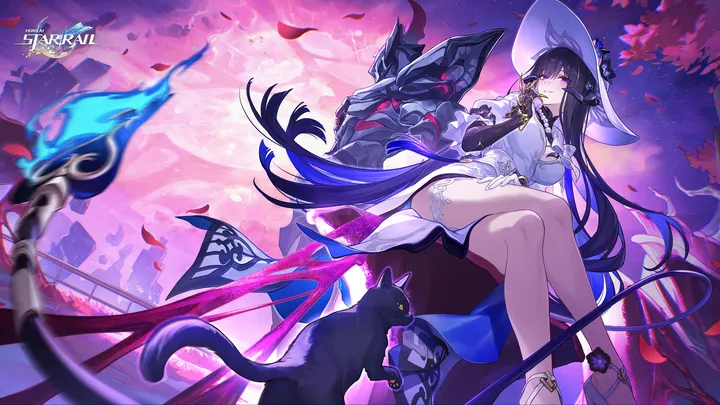
The Final Rejection of Eternal Sleep
The ultimate emotional resolution of Penacony centers on awakening. Not victory in the conventional heroic sense, but acceptance of painful reality despite the temptation of permanent dreaming.
This conclusion aligns closely with the philosophy of Trailblaze itself. The Astral Express represents movement, uncertainty, and continuation. Dreams offer stasis. Trailblaze demands forward motion.
Why Awakening Matters
Penacony argues that suffering alone does not invalidate reality. Pain becomes meaningful because it exists alongside genuine choice, connection, and growth.
The Dreamscape attempted to eliminate despair by freezing emotional existence into artificial perfection. Yet perfection without freedom becomes another form of imprisonment.
This is why the story’s conclusion feels melancholic rather than triumphant. Awakening means accepting incompleteness.
The Central Message of Penacony
At its core, Penacony is about emotional courage. Not the courage to defeat monsters, but the courage to continue living without guaranteed comfort.
Dreams are seductive because they remove uncertainty. Reality demands endurance. The Trailblazer ultimately rejects permanent illusion not because reality is kinder, but because authentic existence requires the possibility of pain.
That philosophical depth is what elevated Penacony beyond ordinary gacha storytelling. It transformed Honkai: Star Rail into a narrative willing to confront emotional dependency, institutionalized escapism, and the frightening attractiveness of surrendering freedom for peace.
Even after the storyline ended, Penacony remained one of the game’s most discussed arcs because it forced players to confront a question with no easy answer: if dreams can truly make people happy, what exactly makes reality morally superior?
Conclusion
Penacony succeeded because it treated escapism not as weakness, but as profoundly human desire. Its world design, fragmented storytelling, philosophical antagonists, and emotionally unstable structure all revolved around one central conflict: whether humanity should endure painful freedom or surrender to beautiful illusion. Through characters like Sunday, Firefly, Acheron, and Aventurine, the storyline explored grief, memory, identity, and emotional exhaustion with unusual maturity for a live-service RPG. Rather than simply presenting heroes defeating evil, Penacony became a meditation on why people dream at all — and why waking up can sometimes feel far more terrifying than sleep.