How to Master the Golden Path in TUNIC
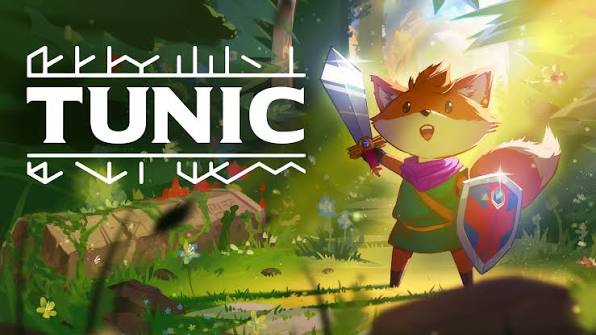
Many players believe the biggest challenge in TUNIC is defeating difficult bosses or discovering hidden treasures. However, the game's true masterpiece lies in its fictional language, commonly known as Trunic. At first glance, every page of the instruction manual appears impossible to understand because nearly all the text is written using unfamiliar symbols. This design encourages players to ignore the language and rely only on illustrations.
As the adventure progresses, players begin to realize that the language itself is another puzzle waiting to be solved. Instead of providing a simple translation system, TUNIC gradually teaches players how to recognize patterns, connect clues, and decode words through observation. Learning Trunic transforms the entire experience because secrets that once seemed impossible suddenly become understandable.
Why the Trunic Language Is More Than Decoration
Unlike many games that invent fictional writing purely for visual style, every Trunic symbol in TUNIC represents meaningful information. The developers created a complete writing system instead of random characters. This decision allows every sign, note, and instruction manual page to communicate real gameplay information.
Players who ignore the language can still complete most of the adventure, but they miss many hidden details. The manual contains explanations about advanced mechanics, secret puzzles, and the world's history that become much clearer after understanding the writing system. Decoding the language also makes exploration more rewarding because every newly discovered page feels like a valuable clue rather than an unreadable picture.
Recognizing the First Patterns
The easiest way to begin decoding Trunic is by looking for repeated symbols instead of attempting to understand entire sentences. Certain icons appear frequently beside familiar images, allowing players to guess their meanings. For example, a page explaining movement usually repeats the same word several times near directional illustrations.
Another helpful strategy is comparing pages that describe similar mechanics. If two pages both discuss stamina or combat, repeated groups of symbols often represent the same word. These recurring patterns become the foundation for identifying letters and sounds without requiring outside help.
Using the Instruction Manual as a Learning Tool
The instruction manual is much more than a collectible item. Every page introduces another piece of the language puzzle. Some pages display diagrams that indirectly reveal pronunciation, while others compare symbols with recognizable controller icons.
Instead of reading each page only once, players should revisit older pages after collecting new ones. Information that seemed meaningless early in the adventure often becomes understandable later. This gradual learning process mirrors how someone naturally learns a new language by encountering familiar concepts repeatedly.
Connecting Symbols to Sounds Instead of Letters
One unique aspect of Trunic is that it represents sounds rather than directly matching the English alphabet. Because of this design, players often struggle when trying to replace every symbol with a single letter.
A better approach is thinking about pronunciation. Similar sounding words frequently share visual components. Once players recognize these shared elements, previously unreadable words begin revealing their pronunciation. This system makes the language internally consistent and surprisingly logical despite its unusual appearance.
Learning Through Environmental Clues
The game world itself contains many opportunities to practice reading. Signs near important locations often include repeated symbols that match the surrounding environment. A save point, for example, repeatedly uses identical words wherever it appears.
By comparing these repeated signs across multiple regions, players gradually associate certain symbol groups with familiar gameplay concepts. This method feels much more satisfying than simply looking up translations because every discovery comes through observation.
Mistakes New Players Often Make
One common mistake is assuming every symbol corresponds to a single English letter. This usually leads to confusion because the writing system works differently. Instead of focusing on direct substitution, players should search for repeating sounds and structural similarities.
Another mistake is trying to decode everything immediately. TUNIC intentionally spreads clues throughout the adventure. Progress becomes much easier after collecting additional manual pages, so patience is an essential part of the learning process.
How Decoding Changes Exploration
Once players begin understanding Trunic, the game world feels completely different. Previously ignored signs suddenly provide useful hints, while manual pages reveal mechanics that were hidden in plain sight. Even optional puzzles become easier because their instructions finally make sense.
This transformation is one of TUNIC's greatest strengths. Rather than rewarding stronger equipment, the game rewards increased knowledge. Players realize that they have been surrounded by answers since the beginning, but lacked the understanding needed to interpret them.
Should You Use an Online Translation Guide
Many players eventually wonder whether using an online guide is worthwhile. While guides certainly save time, they also remove much of the satisfaction that comes from solving the language independently.
Attempting to decode Trunic without outside assistance creates memorable moments of discovery. Even recognizing a single new word feels like genuine progress because it comes from careful observation instead of copied information. For players who enjoy puzzle games, avoiding guides until absolutely necessary usually provides the best experience.
What Makes Trunic One of Gaming's Best Language Systems
Trunic succeeds because it serves both gameplay and storytelling at the same time. It creates mystery during the early hours while rewarding curiosity throughout the adventure. Every newly understood sentence makes players feel more connected to the world rather than simply revealing another piece of text.
Unlike fictional languages that exist only for visual style, Trunic actively participates in gameplay. It challenges players to think, observe, and experiment. This approach perfectly matches TUNIC's overall philosophy that knowledge is the greatest reward an adventure can offer.
Conclusion
Decoding the Trunic language is one of the most rewarding experiences in TUNIC because it transforms confusion into understanding through careful observation rather than direct instruction. By studying recurring symbols, revisiting manual pages, and paying attention to environmental clues, players gradually unlock secrets that were always present. Instead of treating the fictional language as an obstacle, embracing it as part of the adventure reveals why TUNIC remains one of the most creative puzzle action games ever designed.