How to Master Gas Station Simulator: A Complete Guide to Building, Managing, and Expanding Your Station
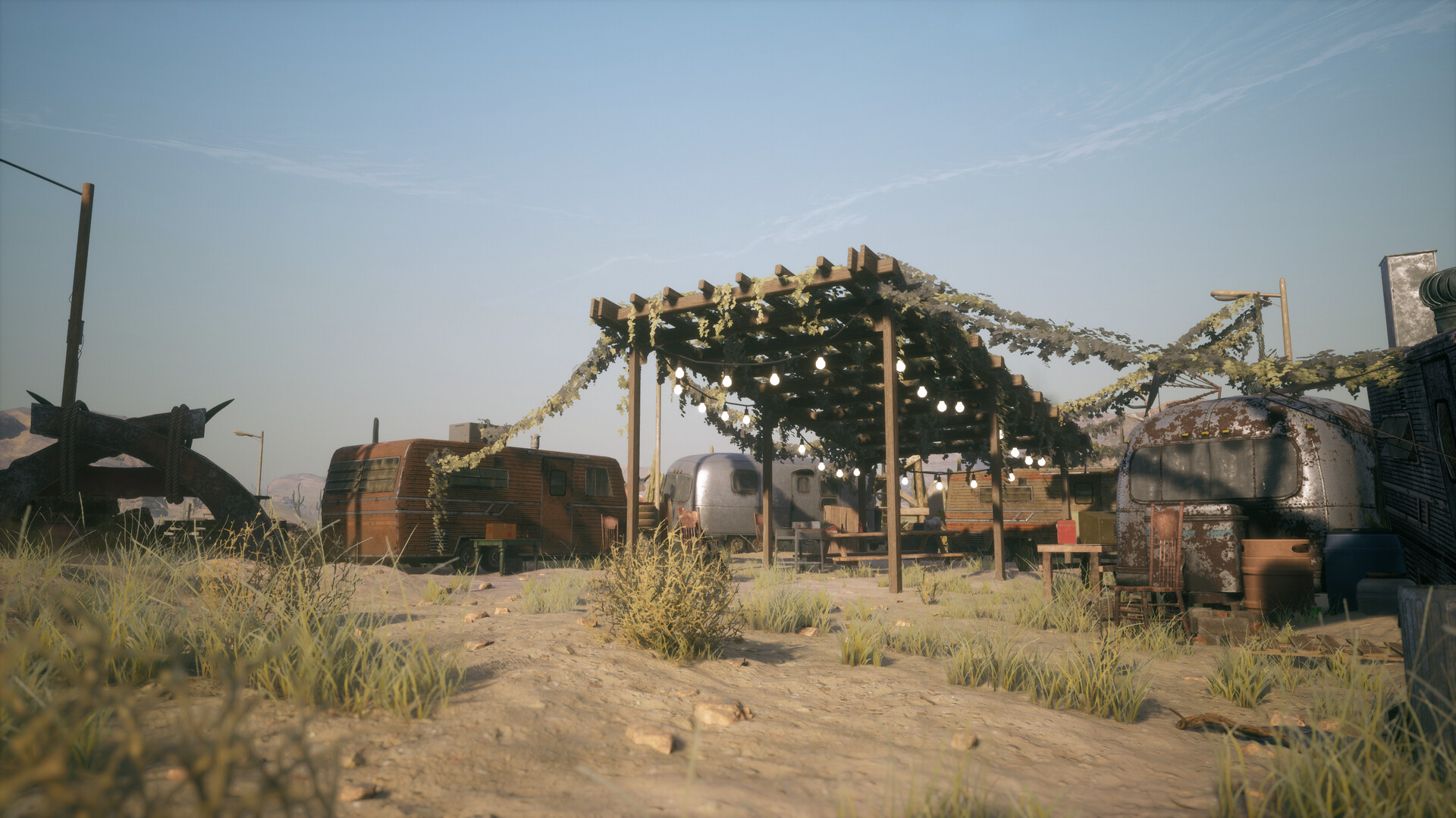
Gas Station Simulator is a management and simulation game that turns an abandoned roadside gas station into a growing business. At first, the job seems straightforward: serve customers, refuel vehicles, clean the station, and earn enough money to make improvements. As the business expands, however, the number of responsibilities increases quickly. You have to manage fuel supplies, customer satisfaction, cleanliness, employees, station upgrades, additional services, and the overall flow of the business.
The biggest challenge is learning how to balance these responsibilities without allowing one area to overwhelm the others. Spending all your money on an attractive upgrade can leave you short on operating funds, while focusing only on fuel sales can cause other profitable opportunities to be ignored. Likewise, trying to personally handle every task becomes inefficient once customer traffic increases.
This guide explains how to progress through Gas Station Simulator in a structured way. It covers the early hours, station organization, customer service, cleaning, fuel management, upgrades, employees, additional services, financial planning, and long-term expansion. The goal is not simply to make the station larger, but to create an operation that can handle increasing demand without constantly becoming chaotic.
1. How to Start Your Gas Station Efficiently
The beginning of Gas Station Simulator introduces you to the basic responsibilities of running a roadside business. Your station starts in poor condition, and your first priority is to make it functional. Although it may be tempting to immediately spend money on improvements, the early game is mainly about learning the station's workflow.
Begin by understanding where the most important areas are located. Identify the fuel pumps, shop, storage areas, trash locations, and other facilities that become available. Knowing where everything is located reduces unnecessary walking and makes it easier to respond when several customers require attention at the same time.
Focus on Basic Operations First
Your initial responsibilities should revolve around keeping the station operational.
Prioritize:
- Serving customers
- Refueling vehicles
- Cleaning the station
- Restocking products
- Collecting payments
- Completing available objectives
- Maintaining enough operating money
You do not need to optimize everything immediately. The early game gives you an opportunity to understand how the different systems interact.
Learn the Station's Daily Rhythm
Customer traffic creates a natural cycle. There may be quiet periods where you can clean, restock, organize the station, or complete other tasks. During busy periods, customer service should become your priority.
Do Not Spend Your Entire Budget
One of the easiest mistakes is using all available money on an upgrade as soon as it becomes available. Keep some funds available for fuel, supplies, and other operating costs.
A growing business needs financial flexibility. An upgrade that looks useful may not be as valuable if it prevents you from keeping the station running smoothly.

2. How to Keep Customers Satisfied
Customer satisfaction is central to the success of your gas station. Customers are not simply sources of money; their experience affects the efficiency and reputation of your business. Long waits, dirty areas, missing products, and poor service can all create problems.
The most effective way to maintain satisfaction is to prevent problems before they become serious. Instead of waiting until several customers are complaining, regularly check the station and address small issues while the workload is manageable.
Prioritize Immediate Customer Needs
When several tasks are available, consider what directly affects customers first.
For example:
- Serve waiting customers.
- Refuel vehicles that require immediate attention.
- Restock products that are running out.
- Clean heavily used areas.
- Complete secondary tasks.
This keeps the customer flow moving.
Understand Customer Traffic
Busy periods require a different approach from quiet periods. When several customers arrive simultaneously, avoid becoming distracted by tasks that can wait.
Use Quiet Periods Productively
When customer traffic decreases, use the opportunity to prepare for the next wave.
Good quiet-period activities include:
- Restocking shelves
- Cleaning
- Organizing supplies
- Checking fuel levels
- Completing station improvements
- Preparing equipment
This creates a rhythm where busy periods are focused on service and quiet periods are used for preparation.
<h4>Do Not Ignore Small Problems</h4>
A single piece of trash may not seem important, but several small problems can accumulate. The same applies to empty shelves or neglected maintenance.
Regular small improvements are easier than attempting to fix the entire station after it becomes chaotic.
3. How to Manage Fuel and Keep Pumps Operating
Fuel is one of the defining elements of Gas Station Simulator. Customers arrive specifically because they need fuel, so maintaining your supply is essential to the station's operation.
Running low can create an immediate problem because fuel demand may continue even when your available supply cannot support it. This means you should monitor fuel levels rather than waiting until the station is nearly empty.
Monitor Fuel Consumption
Pay attention to how quickly your fuel supply decreases during busy periods. A quiet station may use fuel slowly, while a high-traffic period can consume much more.
The more successful your station becomes, the more important fuel planning becomes.
Plan Deliveries Around Demand
Try to avoid ordering fuel at the last possible moment.
A useful approach is to:
- Check your current supply regularly.
- Estimate upcoming demand.
- Order before reaching critically low levels.
- Maintain enough money to pay for necessary supplies.
Balance Fuel Costs With Other Expenses
Fuel purchases compete with other business expenses. If you spend too much on fuel inventory at once, you may have less money for upgrades or other supplies.
The goal is to maintain a healthy operating balance rather than maximizing inventory at all times.
Use Busy Periods to Identify Demand
If you notice that the station repeatedly experiences high fuel demand at particular times, use that information to prepare more effectively.
Your experience with customer traffic should gradually improve your ability to predict how much fuel you need.
4. How to Keep the Station Clean and Organized
Cleaning is one of the easiest responsibilities to underestimate. When the station is small, keeping everything clean is manageable. As the business expands, however, the amount of work increases along with customer traffic.
A clean station is easier to manage because problems are immediately visible. A cluttered or dirty environment can also make routine tasks more difficult.
Establish a Cleaning Routine
Instead of cleaning randomly, develop a simple routine.
Check:
- Shop floors
- Restrooms
- Fuel areas
- Customer spaces
- Trash
- Other frequently used areas
Clean During Quiet Periods
Cleaning is usually best handled when customer traffic is low. During a busy period, serving customers should generally take priority.
However, extremely dirty areas should not be ignored simply because the station is busy.
Organize Your Workspace
Good organization is not just about appearance. It can reduce the time required to perform routine tasks.
Keep frequently used items accessible and understand where supplies are stored. The less time you spend searching for something, the more time you have for customers and management.
Think About Efficiency, Not Perfection
You do not need to make the station perfectly clean every second. Instead, maintain a consistent standard and prevent problems from accumulating.
This approach becomes especially important once you begin managing a larger operation.
5. How to Manage the Shop and Product Inventory
The shop can become an important source of revenue beyond fuel sales. However, products only generate income when they are available for customers to purchase.
Empty shelves represent missed opportunities. At the same time, buying too much inventory can tie up money that could be used elsewhere.
Monitor Product Levels
Regularly check which products are selling quickly.
Fast-moving products deserve greater attention because running out of them can happen quickly during busy periods.
A useful inventory routine is:
- Check shelves.
- Identify low-stock products.
- Refill immediate shortages.
- Order additional stock when necessary.
- Review which products sell most frequently.
Avoid Excessive Inventory
Having a huge stockpile may seem safe, but it is not always efficient. Money tied up in products cannot be used for upgrades, maintenance, or other opportunities.
Learn What Your Customers Buy
Over time, customer behavior provides valuable information.
If certain products repeatedly sell out while others remain untouched, adjust your inventory accordingly.
Keep the Shop Easy to Manage
As the shop grows, organization becomes more important. Make sure you can quickly identify empty shelves and locate products in storage.
Efficient inventory management reduces interruptions during busy periods.
6. How to Upgrade Your Gas Station Strategically
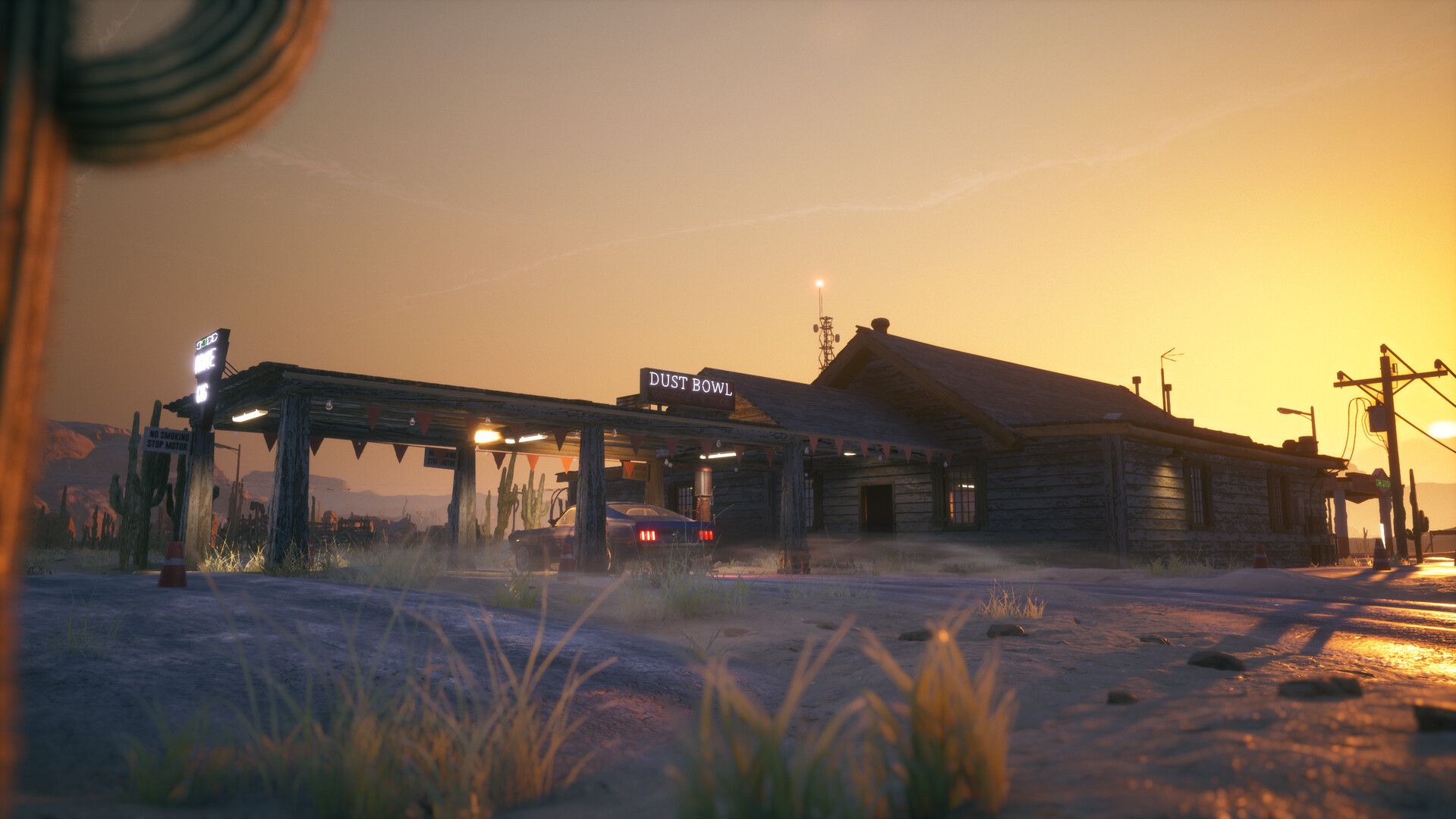
Upgrades are one of the most exciting parts of Gas Station Simulator, but not every upgrade should be purchased immediately. Your goal should be to invest in improvements that solve current problems or create meaningful new opportunities.
Think about what is currently limiting your business.
If customer queues are becoming difficult to manage, an upgrade that improves capacity may be more useful than a purely decorative improvement. If storage is becoming a problem, increasing storage capacity can make future operations easier.
Identify Your Biggest Bottleneck
Before purchasing an upgrade, ask:
- What is currently slowing the station down?
- What causes the most customer frustration?
- Which task takes the most time?
- What resource runs out most often?
- Which area is becoming difficult to manage?
The answer should influence your next investment.
Upgrade Based on Business Growth
As customer traffic increases, your infrastructure needs to grow with it.
Potential priorities include:
- Larger storage
- Improved facilities
- Better customer services
- Additional revenue opportunities
- More efficient equipment
Do Not Upgrade Everything at Once
Trying to improve every area simultaneously can drain your budget. Instead, choose one meaningful upgrade and then allow your business to recover financially.
Distinguish Between Need and Luxury
Some improvements are primarily cosmetic or optional, while others directly affect your operation.
When money is limited, prioritize upgrades that improve productivity, capacity, or revenue.
7. How to Hire and Manage Employees
Eventually, the station becomes too busy for one person to handle every responsibility efficiently. Employees become increasingly valuable because they allow routine work to continue while you focus on higher-priority decisions.
The important part is understanding when to delegate.
Hire When Your Workload Becomes the Bottleneck
Hiring too early can create unnecessary expenses. Waiting too long can also become a problem because customer traffic may overwhelm you.
A good time to consider additional help is when you repeatedly find yourself unable to complete essential tasks because you are constantly switching between responsibilities.
Delegate Repetitive Work
Employees are especially useful for tasks that need to happen continuously.
Depending on the available roles and systems, employees can reduce the workload associated with:
- Cleaning
- Fuel operations
- Shop duties
- Other station services
This gives you more freedom to manage the business rather than constantly performing routine actions.
Monitor Employee Effectiveness
Employees represent an ongoing expense, so make sure their contribution supports your growing operation.
If an employee frees enough of your time to increase overall productivity, their cost can become a worthwhile investment.
Expand Staff Gradually
Do not hire a large workforce simply because you can. Add employees as the station's workload justifies them.
This helps keep labor costs under control.
8. How to Expand Your Business and Add New Services
Once your core station is stable, expansion becomes one of the most important ways to increase your income. New services can diversify your revenue and give customers additional reasons to visit.
However, every new service adds complexity. More facilities mean more maintenance, more cleaning, more customer traffic, and potentially more employees.
Expand Around Your Existing Strengths
Look at what already works.
If fuel traffic is strong, additional services can help convert existing visitors into additional revenue. If customers frequently spend time inside the shop, improvements to retail services may provide useful opportunities.
Avoid Expanding Too Quickly
A common mistake is unlocking a new service and immediately investing heavily in it.
Instead:
- Unlock the service.
- Learn how it works.
- Measure demand.
- Understand its costs.
- Upgrade when justified.
Create a Balanced Business
A strong station should not depend entirely on one source of income.
Diversification can help your business continue growing when one part of the operation becomes less efficient.
Potential revenue areas can include:
- Fuel
- Shop sales
- Additional services
- Customer-focused facilities
- Other unlocked activities
Use Expansion to Improve Customer Flow
New services should fit naturally into the station. If customers can easily move between fuel pumps, the shop, and other facilities, your overall operation becomes more efficient.

9. How to Manage Money and Avoid Financial Problems
Financial management is what connects every other system together. Every decision costs something, from fuel deliveries and inventory to employee wages and station upgrades.
A profitable station should always maintain enough cash to handle ordinary operating expenses before committing to major purchases.
Maintain an Operating Reserve
Keep some money available for unexpected expenses and routine operations.
Your financial priorities should generally be:
- Keep essential operations running.
- Maintain necessary inventory.
- Pay operational expenses.
- Support employees.
- Invest in profitable upgrades.
- Purchase optional improvements.
Avoid Impulse Spending
A new upgrade may look attractive, but ask whether it will actually improve your station.
Before spending, consider:
- How much does it cost?
- What problem does it solve?
- Will it increase income?
- Will it reduce workload?
- How quickly can the investment pay off?
Reinvest Profits Carefully
A successful station should continuously reinvest part of its profits. However, reinvestment should be controlled.
Spend enough to increase your capacity and efficiency without eliminating your financial safety margin.
Think Long Term
An upgrade that produces a small benefit immediately may become much more valuable as the station grows.
Likewise, an expensive investment may be unnecessary if your current customer volume is not large enough to support it.
10. How to Build a Highly Efficient Gas Station
Once your station becomes large, success depends on coordination rather than simply completing individual tasks. At this stage, you should think about the business as one interconnected system.
Fuel attracts customers. Customers purchase products. More customers increase workload. Increased workload requires employees and better facilities. Higher revenue provides money for expansion. Expansion creates new responsibilities.
Understanding this cycle allows you to make better decisions.
Develop a Management Routine
At the beginning of each session, inspect the station.
Check:
- Fuel levels
- Product inventory
- Cleanliness
- Customer traffic
- Employee workload
- Available money
- Current objectives
- Station upgrades
Then identify the most important problem and solve that before taking on unnecessary projects.
Use the Bottleneck Method
When the station is struggling, find the single biggest limitation.
For example:
Problem: Customers are waiting too long.
Possible cause: Not enough capacity or inefficient service.
Solution: Improve the relevant station function rather than randomly purchasing another upgrade.
Or:
Problem: Products repeatedly run out.
Possible cause: Inventory is too small or restocking is inefficient.
Solution: Improve inventory management and storage.
Keep Improving the Workflow
As the station grows, revisit old systems. A layout that worked when the station was small may become inefficient later.
Look for:
- Excessive walking
- Poor storage placement
- Congested areas
- Repetitive tasks
- Underused facilities
- Overworked employees
Think Like a Business Manager
The most effective way to approach the late game is to stop thinking about individual tasks and start thinking about systems.
Instead of asking, “What should I do next?” ask:
“What is currently preventing my station from operating more efficiently?”
That question naturally directs you toward the most valuable improvement.
Conclusion
Learning how to master Gas Station Simulator requires more than simply serving customers and buying upgrades. The game becomes much more manageable when you understand how fuel, inventory, cleanliness, customer satisfaction, employees, finances, and expansion interact with one another.
Start by building a stable foundation. Learn the location of important facilities, understand the basic customer cycle, and maintain enough money to keep your station operational. As traffic increases, develop routines that allow you to switch efficiently between serving customers, restocking, cleaning, and managing supplies.
Fuel management should remain a constant priority because fuel is central to the station's identity. At the same time, the shop can provide another important revenue source if products are kept available and inventory is managed carefully. Cleanliness should never be treated as an afterthought, particularly as the station grows and customer traffic increases.
Upgrades should be selected based on actual business needs. Rather than purchasing everything as soon as it becomes available, identify the biggest bottleneck and invest in solving it. Employees can eventually take over repetitive work, giving you more time to focus on expansion, finances, and strategic improvements.
The same principle applies to expansion. New services can diversify revenue and increase the station's potential, but they also create additional responsibilities. Expand at a pace that your current business can support, and make sure each new investment has a clear purpose.
Ultimately, the best way to succeed in Gas Station Simulator is to build a station that can manage growth. Keep customers moving, maintain supplies, control expenses, delegate repetitive work, and continuously improve the workflow. When every part of the station works together, what begins as a neglected roadside business can become an efficient and profitable operation.