Dota 2: The Complete Chronicle of the Esports Titan’s Evolution and 2026 Legacy
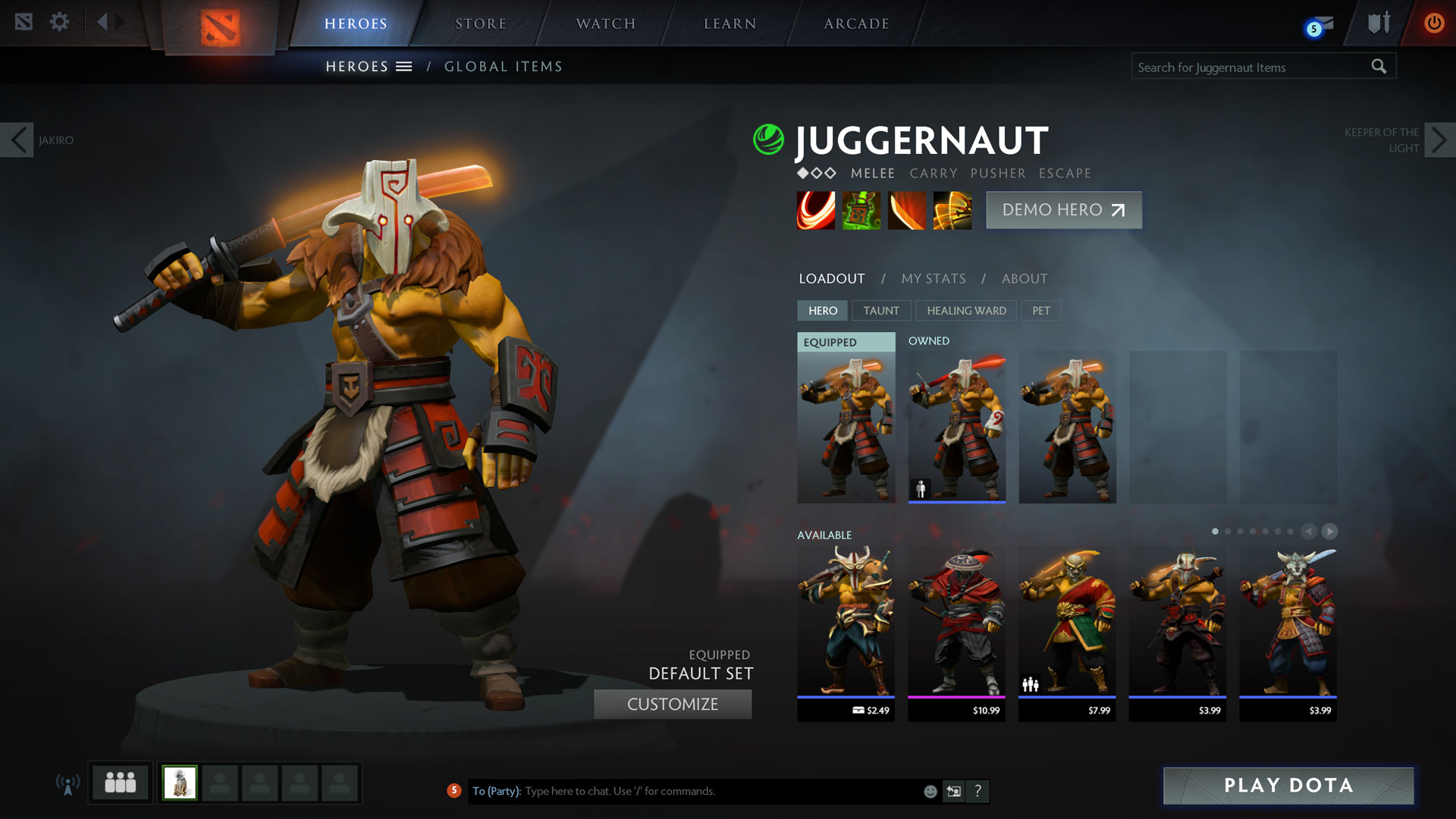
In the fiercely competitive arena of multiplayer online battle arena (MOBA) games, few titles command the legendary status, mechanical depth, and cultural gravity of Dota 2. Developed and published by Valve, this iconic title has spent over a decade defining the pinnacle of tactical team play, high-stakes esports, and complex strategy. From its roots as a faithful successor to the original Defense of the Ancients mod to its continued dominance as a modern gaming cornerstone in 2026, the journey of Dota 2 is a testament to what happens when a developer lets complexity, player expression, and absolute competitive integrity drive the design philosophy. As we look across the landscape in late 2026, the game remains an undisputed titan of the PC gaming world.
1. The Legacy Foundations: From Mod to Standalone Phenomenon
The history of Dota 2 traces back to the golden era of custom Warcraft III maps, but Valve’s official standalone release in 2013 changed the industry forever. Transitioning the mod onto the Source engine—and later the Source 2 engine—Valve created a visually crisp, responsive battleground where five-player teams clash to destroy the enemy Ancient.
From its earliest days, the game established a reputation for uncompromising difficulty. Unlike titles that locked heroes away, Dota 2 made every single hero free from the start, placing the emphasis entirely on mastery, drafting strategy, and tactical execution rather than artificial progression unlocks.
2. The Esports Ecosystem and The International Era
You cannot discuss Dota 2 without examining its seismic impact on esports history. Through The International (TI), Valve revolutionized competitive gaming prize pools by introducing crowdsourced crowdfunding via the Battle Pass. For years, TI shattered records as the most lucrative esports tournament in history, turning legendary players into millionaires and cementing iconic moments—like "The Play" or multi-million dollar reverse sweeps—into gaming folklore.
Key Competitive Pillars
- Crowdfunded Prize Pools: The legendary Battle Pass era that redefined esports player earnings.
- The Professional Circuit: From the historical Major-Minor systems to modern open-circuit qualifiers.
- Iconic Rivalries: Legendary organizations and players etching their names into the Aegis of Champions.
3. Major Gameplay Reboots: The New Frontiers Update
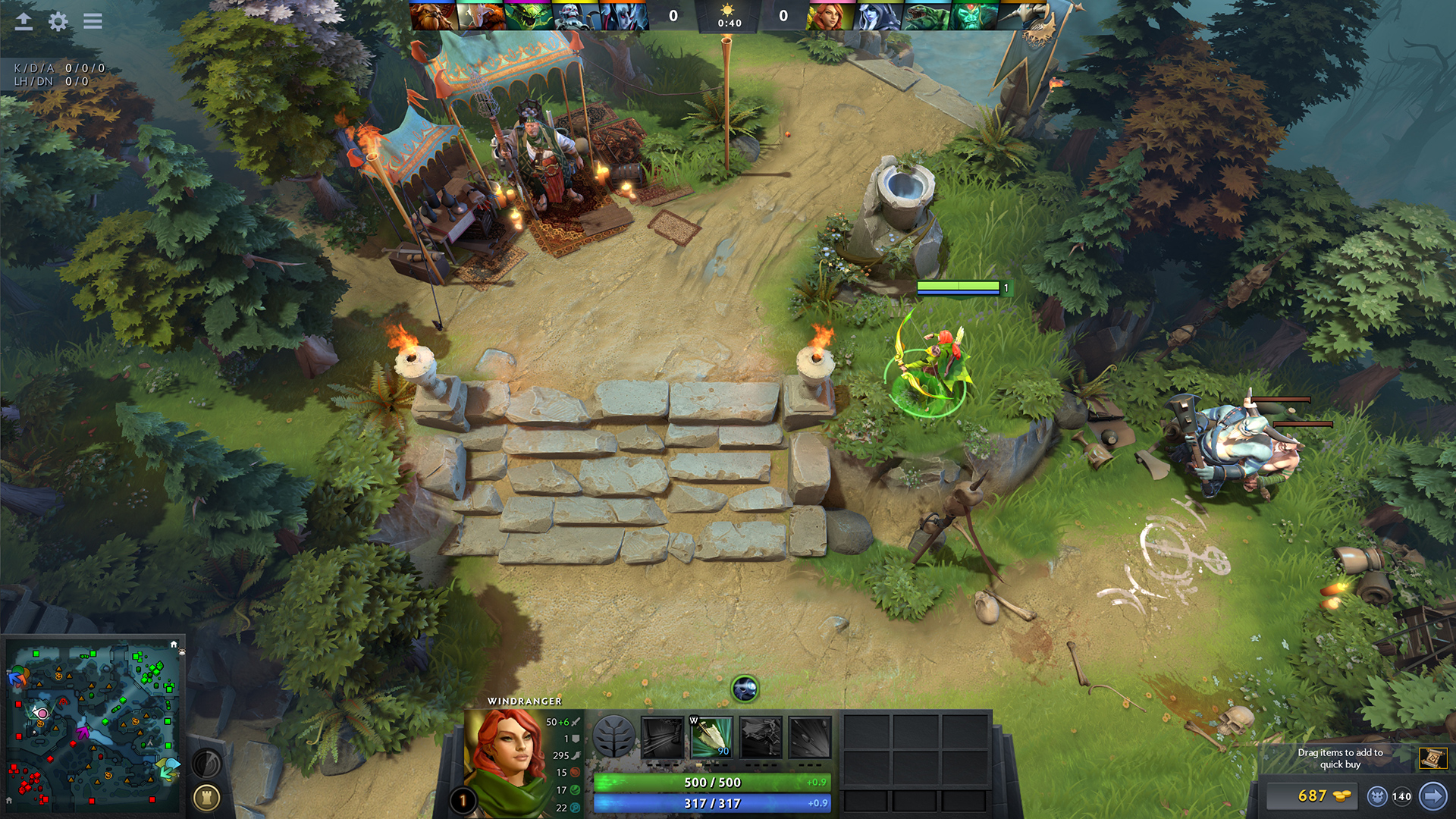
A massive turning point in the game's modern lifecycle came with massive gameplay revamps, most notably the landmark New Frontiers update. Valve radically expanded the physical boundaries of the map by roughly 40%, introducing new neutral objectives like the Twin Gates, Lotus Pools, the Tormentor miniboss, and Wisdom Runes.
H3: Redefining Map Control and Vision
The structural overhaul completely changed how supports and carries interact with the environment:
- The Expanded Outskirts: Creating safer farm zones and entirely new juke paths.
- Dynamic Objectives: Forcing constant team fights around contested timers like Wisdom Runes and Tormentors.
4. Universal Heroes and the Evolution of the Draft
Throughout recent years, the hero pool has continued to expand and evolve. The introduction of the Universal hero attribute classification added an entirely new layer of complexity to itemization, allowing certain heroes to scale off all three primary attributes equally.
H4: Mastering the Facet and Innate Meta
Drafting strategy transformed into a high-chess game with recent system overhauls:
- Hero Facets: Choosing customized passive or active traits for heroes before the creeps spawn.
- Innate Abilities: Giving every single hero unique baseline identity traits that alter power spikes.
5. Accessibility and the New Player Experience
Historically infamous for its steep, near-vertical learning curve, Dota 2 made major strides in welcoming newcomers. Valve implemented comprehensive guided tutorials, assisted bot matches, restricted hero pools for beginners, and a robust coaching system.
Furthermore, advanced anti-toxicity measures, behavior score tracking, and automated machine-learning systems were deployed to clean up matchmaking, ensuring that the community could foster new talent without scaring them away with the game's notoriously brutal initial matchmaking phase.
6. The Lore and Universe: From Dota: Dragon's Blood to In-Game Events
While Dota 2 is primarily celebrated for its competitive crunch, its deep, cryptic lore received a massive mainstream expansion through media projects like Netflix's animated series Dota: Dragon's Blood. This expanded the backstories of iconic heroes like Invoker, Mirana, Dragon Knight, and Selemene, bridging the gap between casual viewers and the rich, cosmic struggle between the Ancients.
In-game, narrative-driven events and seasonal co-op game modes continually gave players fresh ways to experience the universe outside of standard ranked stress.
7. Current State and Technical Optimization in 2026
As of September 2026, Dota 2 continues to boast a massive, fiercely loyal concurrent player base on Steam. Valve’s ongoing technical updates—focusing on modern graphics rendering optimizations, server stability, and fine-tuning anti-cheat frameworks—ensure that the game runs butter-smooth across a wide range of PC hardware.
The introduction of seasonal gameplay patches keeps the meta fresh, ensuring that no two matches ever play out the exact same way.
8. Future Horizons: The Next Era of Competitive Play
Looking forward, the roadmap for Dota 2 remains anchored by community-driven passion and Valve's unpredictable, yet impactful, content drops. Teasers for upcoming hero releases, seasonal event calendars, and the perpetual evolution of professional esports tournaments ensure that the player base always has a new horizon to conquer.
The game has successfully transitioned from a simple Warcraft mod descendant into a self-sustaining institution of digital competition.
9. Critical Reception and Timeless Cultural Impact
More than a decade after its official launch, Dota 2 maintains universally high acclaim from critics and players alike. It is frequently cited as one of the greatest and most mechanically profound video games ever created. Its refusal to dumb down its mechanics or compromise its competitive integrity has earned it an enduring legacy that few live-service games will ever replicate.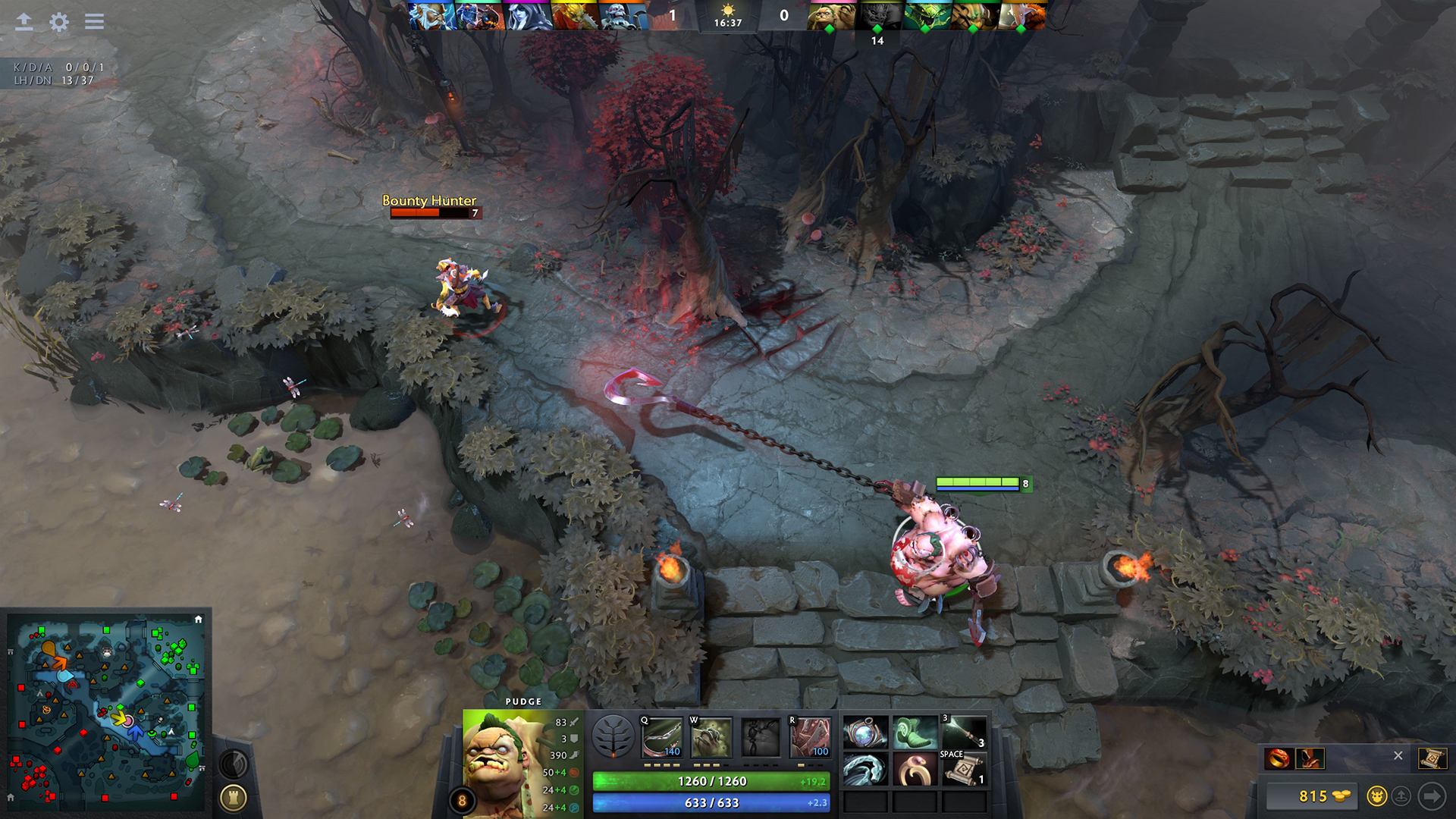
Conclusion
Dota 2 is a masterclass in deep, uncompromised competitive game design. By championing absolute player freedom, tactical complexity, and an ever-evolving battlefield, Valve has crafted an immortal strategy masterpiece. From legendary esports showdowns to the daily grind of MMR climbing, the game remains an undisputed titan of the PC gaming landscape, proving that true depth never goes out of style.